
Published September 15, 2024
“The Anxious Generation”: How Smartphones are Rewiring Young Minds

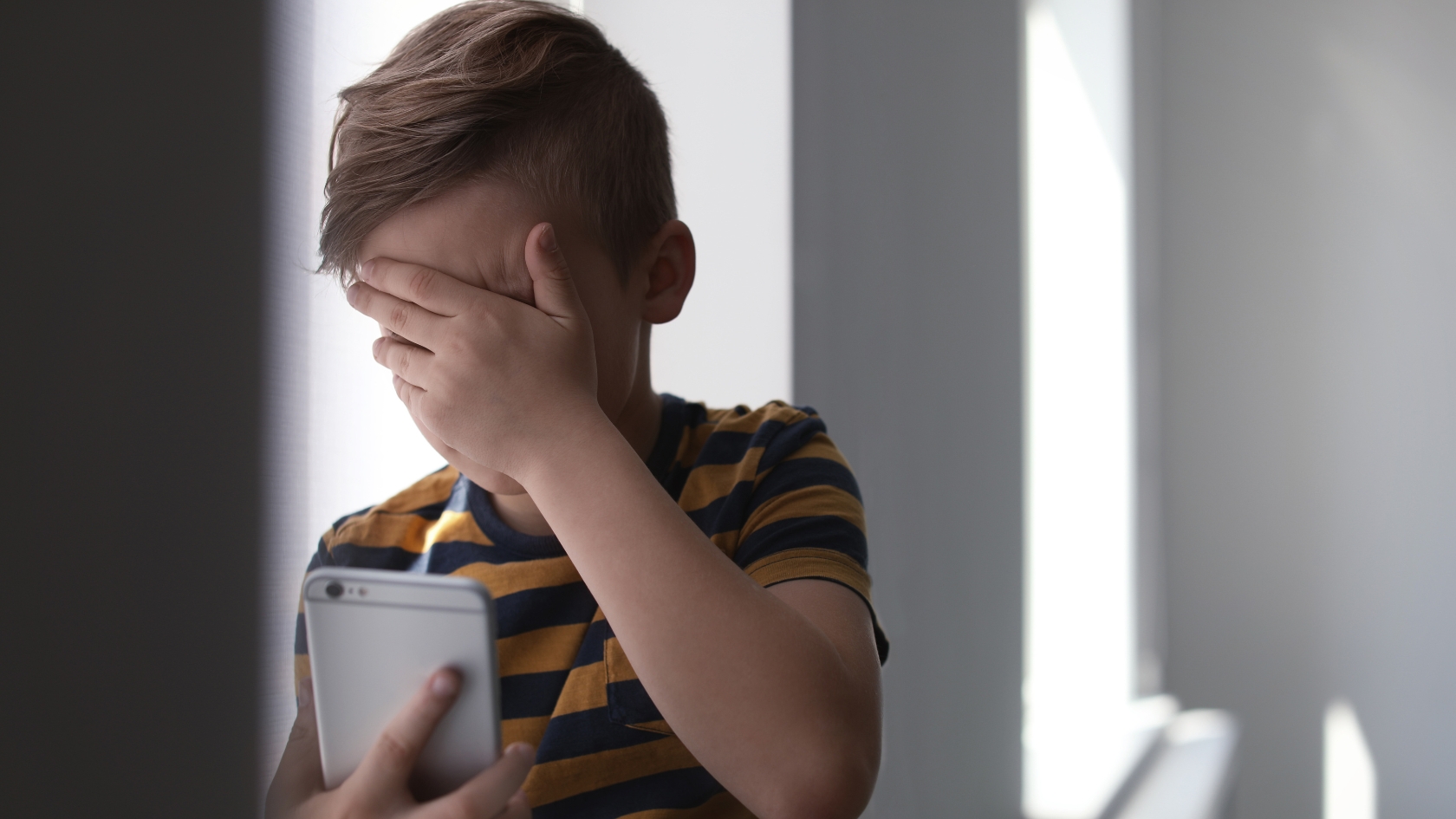
Learn how smartphones impact young minds and why delaying access matters.
It may not seem like it, but smartphones are actually hurting you and your kids more than you think. Today, I will give you a quick overview of a book that my team and I are reading called “The Anxious Generation”. It delves into how smartphones are reshaping the way our brains function, affecting young kids the most. Here’s what you need to know:
- Smartphones and brain development. Our team recently started reading “The Anxious Generation”, a book that delves into how smartphones are reshaping the brains of young people. This is not just a concern for the younger generation; it affects us all, including older millennials like myself. The book highlights the challenges of growing up as a "digital native"—a term used for children who have never known a world without smartphones. It suggests that living on smartphones from a young age can have effects on the brain that are not yet fully understood.
- Why delay smartphones for kids? The data presented in “The Anxious Generation” is compelling. It reveals that children who grow up with unrestricted access to smartphones from an early age face potential risks, including anxiety, depression, and other mental health issues. The constant exposure to social media, instant gratification, and information overload can be overwhelming for a developing brain. By delaying smartphone access, parents hope to give their children a chance to grow up more grounded, focused, and emotionally balanced.
"Children's mental health is at risk with early smartphone use."
- Okay to Delay movement. This initiative involves parents calling to delay the introduction of smartphones to children until they turn 18. Instead of giving them smartphones, they recommend flip phones that provide basic communication without social media and other apps. The goal is to protect children's mental health and support healthy brain development during their formative years. The Okay to Delay movement consists of parents, grandparents, future parents, millennials, and Gen Z members, and we all experience the effects of smartphone usage in different ways.
I highly encourage you to learn more about the Okay to Delay movement to learn how you can protect not only your child’s mental health but also your entire family. Plus, this insight is relevant not only to how we show up as real estate professionals but also to how we engage as community members. If you have any questions about this topic or the Okay to Delay movement, reach out to me anytime at 603-557-6661 or email rhvizda@kw.com. Together, we can navigate this digital age more mindfully and create a safer environment for children.

Ryan Hvizda
Owner | Hvizda Realty Group | eXp
or another way